

Regional claim centers operate with specific authority levels. These levels are shown on internal charts in work areas and in the digital systems. Each level relates to a money limit, a coverage type, and a job role. If a reserve entry goes over a set limit, the claim file stops in the examiner’s work list …

Insurance operations are structured around concentrated authority bands bedded within digital platforms and procedural primers. Each monitor profile carries a predefined financial ceiling tied to part, term, and governance. These ceilings serve as enciphered limits within claim systems rather than premonitory references. When a reserve adaptation or agreement entry exceeds the assigned band, the sale …
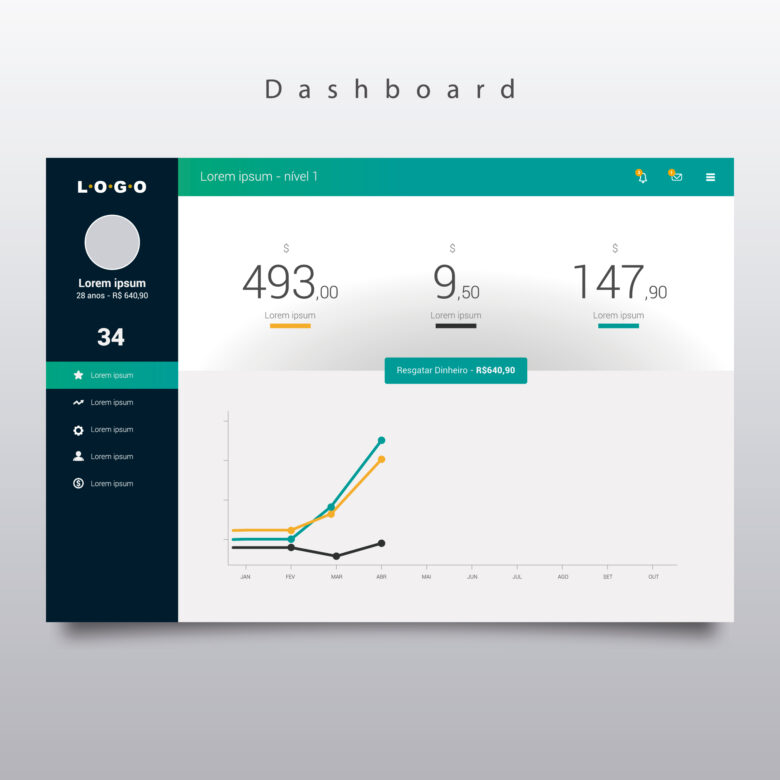
A “ Closed — Paid ” designation converts back to active status when a supplemental tab enters through the form network gate. The renew action generates a new exertion sequence number while retaining the original loss date and previous payment entries within literal fields. Status routing updates automatically, posting an “ Adjustment Activity ” index …
When a claim that was previously closed is reopened in the claims dashboard, a search panel appears. This panel is filled with archived policy forms, organized by the year they were filed. The date of the loss, which is displayed in the header, helps the handler choose the right form from a separate archive of …
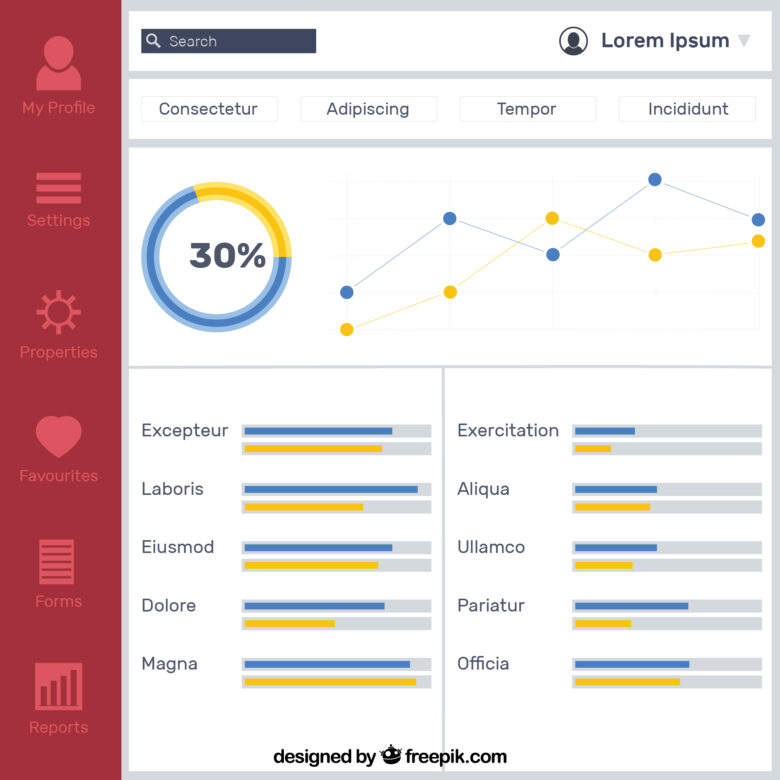
Broker uploads a marketable property submission through a web- grounded input gate that assigns a submission ID distinct from any eventual policy number. The portal captures attachments in multiple formats ACORD operations, loss runs, photos, and supplemental questionnaires. Each document receives its own timestamp and train size marker. A evidence screen appears with a shadowing …

Multiple policy form editions appear contemporaneously in the document indicator as content evaluation resumes on an active train. The affirmations runner lists one modification time in its footer, while the central policy library configuration table displays a latterly effective date for the same governance. A needed form- number field remains unconfirmed in the evaluation panel, …
Text-based coverage provisions are retrieved through indexed query fields tied to a recorded interior water damage loss. Per-occurrence limits and related sublimits remain embedded within structured reference tables, while declaratory language resides in archived form libraries accessed through document identifiers. Search parameters isolate relevant clauses under “Perils Insured Against,” generating matched text markers without modifying …
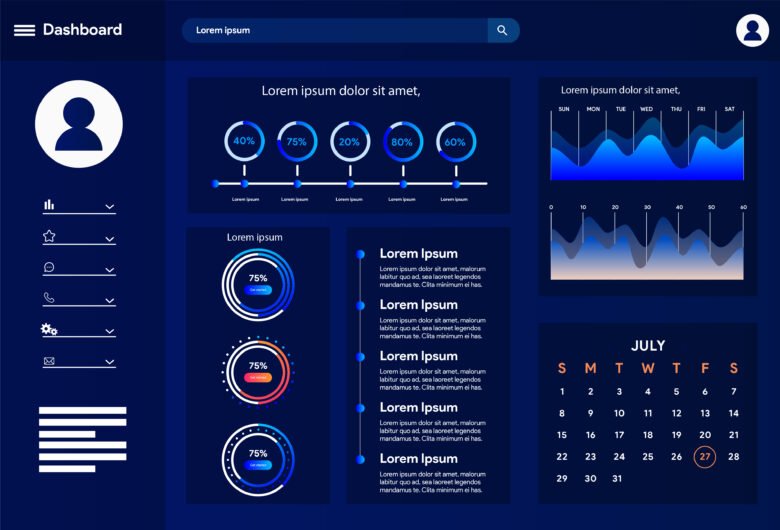
Regulatory configuration parameters spark grounded on geographic identifiers bedded in submission data. Postal references and policy records stored in separate datasets align to spark region-specific rule sets within backend governance tables. Statutory references tied to effective dates cargo into structured oversight fields, recalibrating acknowledgment intervals and task deadlines without taking homemade adaptation. Workflow timing mechanisms …
When a loss is first reported, it’s recorded with a fixed timestamp in the activity log, serving as the starting point for later entries. Log records are automatically sorted by transaction time, with the newest actions at the top. Earlier entries are kept in older index pages. Each record includes a user ID, office code, …

When a new policy form is created, it enters the internal repository as a draft. It has a form number and a provisional revision code in the footer. The header shows the line of business and a proposed effective date field is left blank. The drafting unit uploads the document to a central compliance platform. …