

In a regional claims center, authority bands are embedded into the claims management platform. Each adjuster profile contains a settlement ceiling tied to role classification and tenure. The ceiling appears in a side panel beside the reserve amount field. When projected exposure approaches that ceiling, a notification banner activates across the file header. The claim …

In a regional insurance office, a policy from twenty years ago appears in today’s claim system. The fields in the policy do not line up well with the current templates. This coverage form is from before the last system change. Its endorsements were written using an old coding method that used letters and numbers that …

When a policy is created, the underwriting interface stores coverage terms in a structured way. Things like limits, deductibles, and effective dates are put into a policy record, which has its own unique number. Later, the same policy shows up in a different claims system. The information from the policy record is moved over through …

Risk codes come from insurance records and automatically fill in the claims platform. This lines up the type of loss, where it happened, and what the insurance policy covers in a clear, organized way. For instance, a business property will have a different header color from a house. This code is right below the policy …
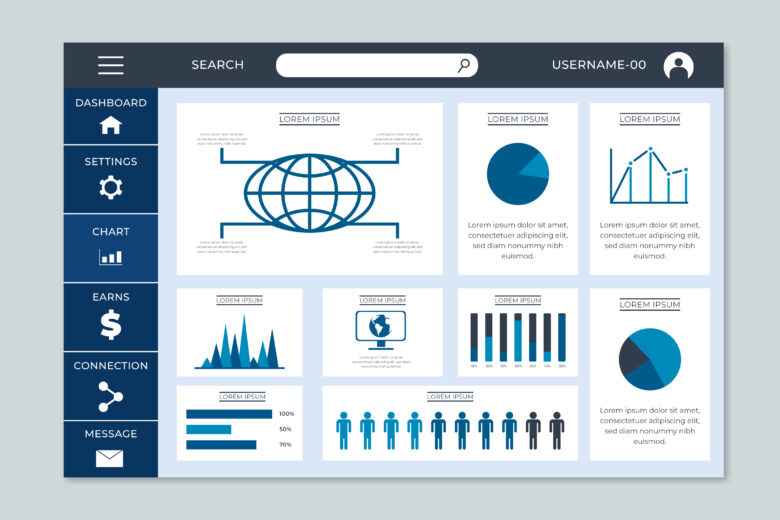
Coverage details are automatically filled into a standard layout, gathered from the policy system and displayed in set areas across the top. Dwelling limits are in one spot, personal property in another, and liability totals in a separate column. Each area includes a deductible and a code that connects to the policy’s underwriting information. A …
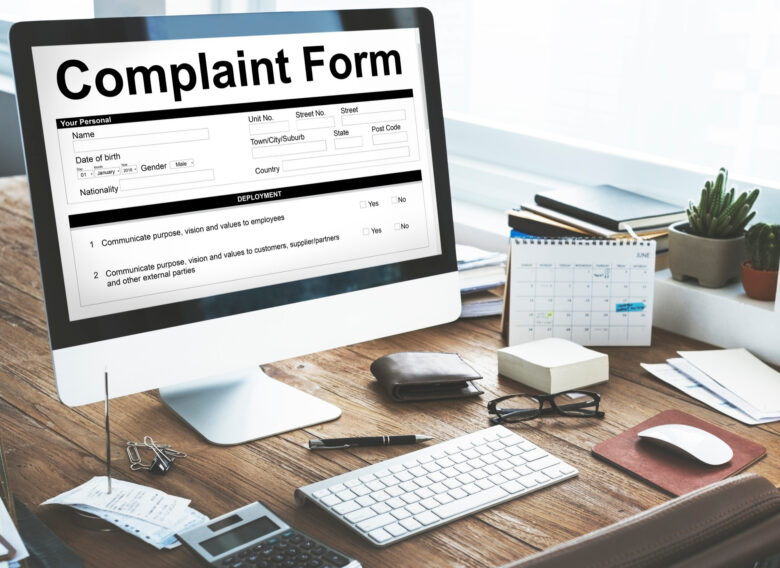
Coverage forms enter the claims terrain as enciphered references rather than full textbook replications. A hyperlink labeled “ policy wording ” connects to a separate archival bystander maintained on a distinct garçon. That bystander retains its own synchronization timestamp, independent from status pointers bedded within the claims platform. Access events induce log entries within both …

Regional claim centers operate with specific authority levels. These levels are shown on internal charts in work areas and in the digital systems. Each level relates to a money limit, a coverage type, and a job role. If a reserve entry goes over a set limit, the claim file stops in the examiner’s work list …
When a claim that was previously closed is reopened in the claims dashboard, a search panel appears. This panel is filled with archived policy forms, organized by the year they were filed. The date of the loss, which is displayed in the header, helps the handler choose the right form from a separate archive of …
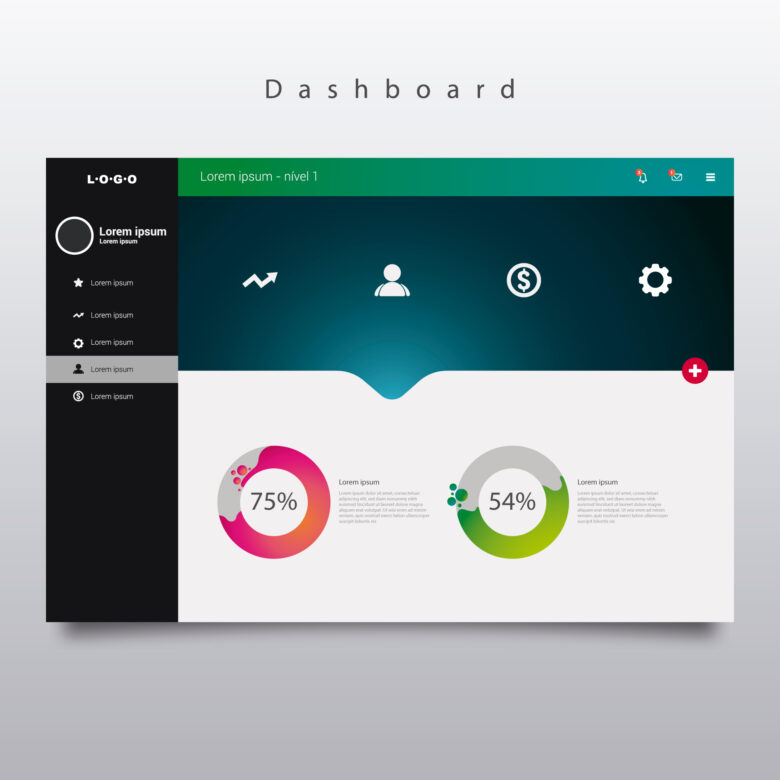
Text-based coverage provisions are retrieved through indexed query fields tied to a recorded interior water damage loss. Per-occurrence limits and related sublimits remain embedded within structured reference tables, while declaratory language resides in archived form libraries accessed through document identifiers. Search parameters isolate relevant clauses under “Perils Insured Against,” generating matched text markers without modifying …

When a new policy form is created, it enters the internal repository as a draft. It has a form number and a provisional revision code in the footer. The header shows the line of business and a proposed effective date field is left blank. The drafting unit uploads the document to a central compliance platform. …