
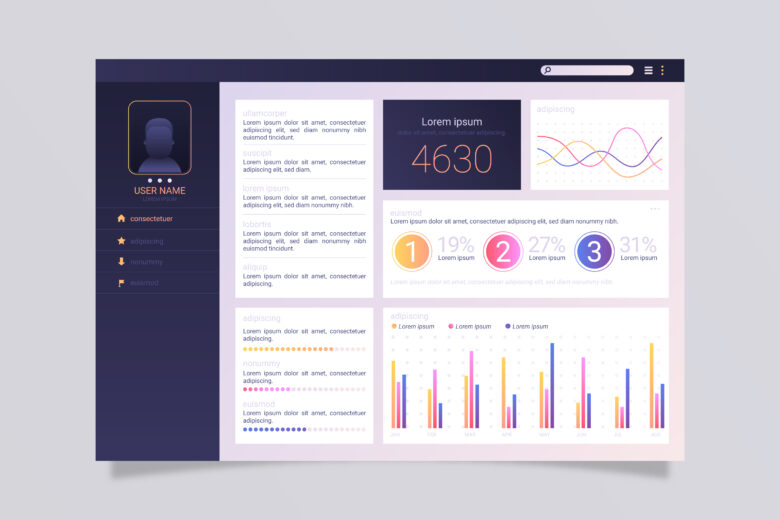
Two automobile collision reports register in the claims platform within the same hour. Each submission contains motorist statements, police report figures, photos of hinder cushion damage, and form estimates formatted in analogous templates. A claims input specialist verifies policy figures against the underwriting database and confirms active content on the reported dates of loss. Claim …

Within internal directories, authority is set by numerical ranges tied to job titles. An adjuster’s profile shows a maximum settlement amount based on their experience and licensing. Amounts that go over this maximum need approval. The file isn’t stopped; it’s moved to a different queue. A digital mark shows when it moves from one authority …

A loss notification is logged into the claims platform through a structured intake form. The representative selects a loss type from a dropdown menu, enters the date of occurrence, and confirms the policy number against a verification field that auto-populates insured details. A claim number generates instantly, appearing at the top of the screen in …

When a scanned accident report arrives from a municipal authority, it’s entered into the claims system. The system records the time it was sent and where it came from. The report is then added to the claim file under External Documentation, with a quick note to confirm it was received, making it a permanent part …

Loss notice enters the primary claims platform and receives a claim number generated by the core administration system. Policy details colonize from an underwriting database that operates on a separate refresh schedule. The claims screen displays content limits and named insured fields incontinently, while a small status line indicates that standing attributes remain in “ …
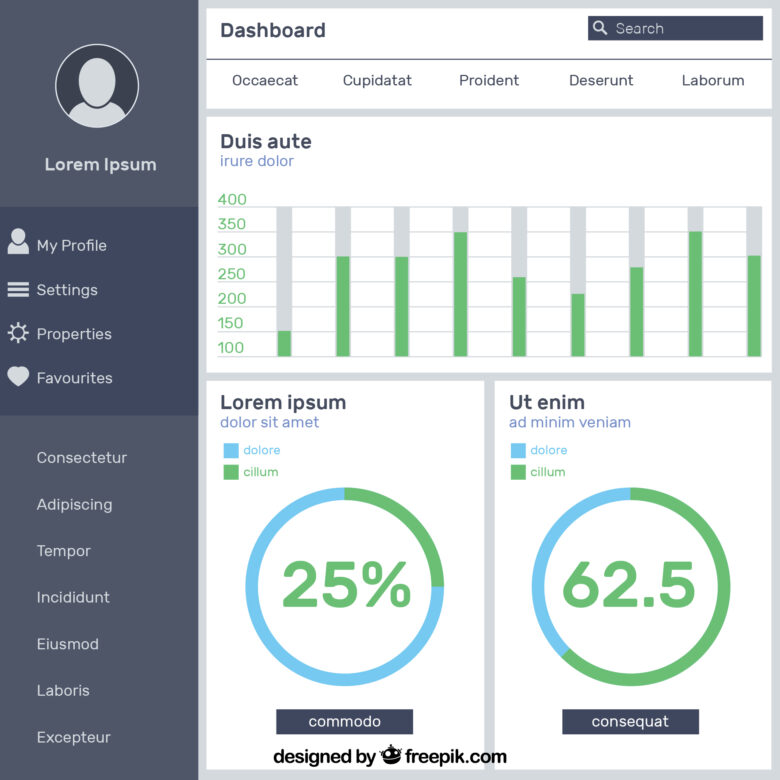
Reserve field displays a provisional figure that exceeds the authority limit attached to the assigned adjuster’s profile. The interface highlights the amount before any liability entry appears in the coverage section. A banner activates across the header, marking supervisory visibility while the file remains in active status. Routing shifts automatically toward an approval queue labeled …
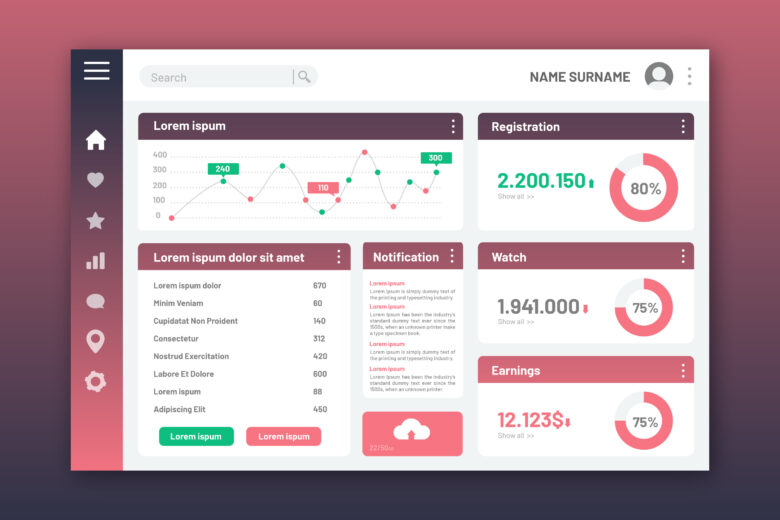
Disputed submission registers within the claims platform under an streamlined bracket law reflecting queried agreement status. preliminarily reused loss attestation remains attached to the train, while recently entered legal correspondence enters the document depository under a separate reference identifier. Selection of a disagreement designation from structured status fields reconfigures routing parameters, moving the train from …
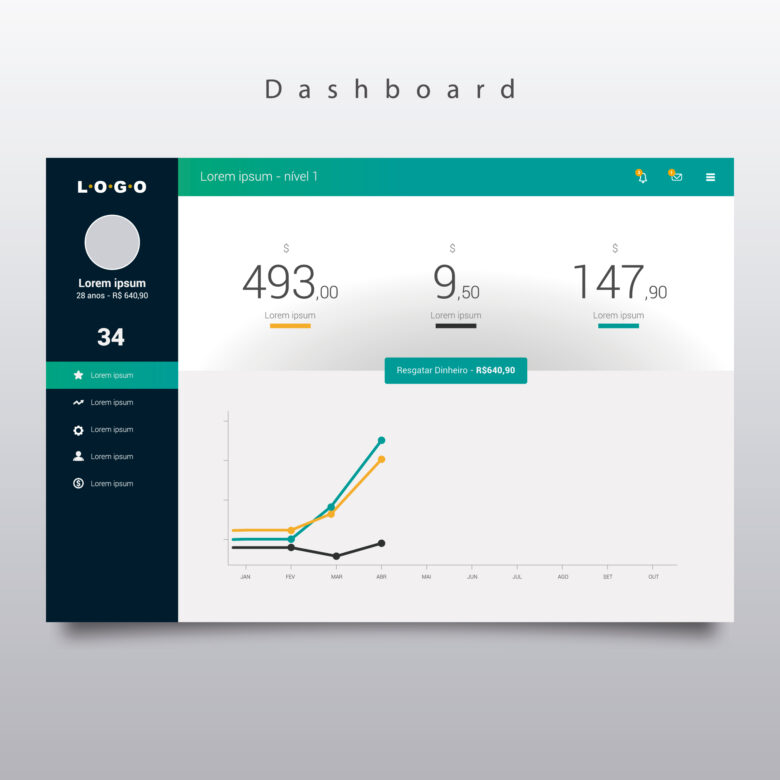
A “ Closed — Paid ” designation converts back to active status when a supplemental tab enters through the form network gate. The renew action generates a new exertion sequence number while retaining the original loss date and previous payment entries within literal fields. Status routing updates automatically, posting an “ Adjustment Activity ” index …

Multiple policy form editions appear contemporaneously in the document indicator as content evaluation resumes on an active train. The affirmations runner lists one modification time in its footer, while the central policy library configuration table displays a latterly effective date for the same governance. A needed form- number field remains unconfirmed in the evaluation panel, …
When a loss is first reported, it’s recorded with a fixed timestamp in the activity log, serving as the starting point for later entries. Log records are automatically sorted by transaction time, with the newest actions at the top. Earlier entries are kept in older index pages. Each record includes a user ID, office code, …