

When a scanned accident report arrives from a municipal authority, it’s entered into the claims system. The system records the time it was sent and where it came from. The report is then added to the claim file under External Documentation, with a quick note to confirm it was received, making it a permanent part …


Risk codes come from insurance records and automatically fill in the claims platform. This lines up the type of loss, where it happened, and what the insurance policy covers in a clear, organized way. For instance, a business property will have a different header color from a house. This code is right below the policy …

In a specific field, a claim file shows a reinsurance indicator. This indicator turns on when the expected risk goes over a set limit stored in the system’s settings. This limit has a starting date, which is noted during treaty updates. Once the indicator is on, the file goes to a monitoring list for the …

Loss notice enters the primary claims platform and receives a claim number generated by the core administration system. Policy details colonize from an underwriting database that operates on a separate refresh schedule. The claims screen displays content limits and named insured fields incontinently, while a small status line indicates that standing attributes remain in “ …
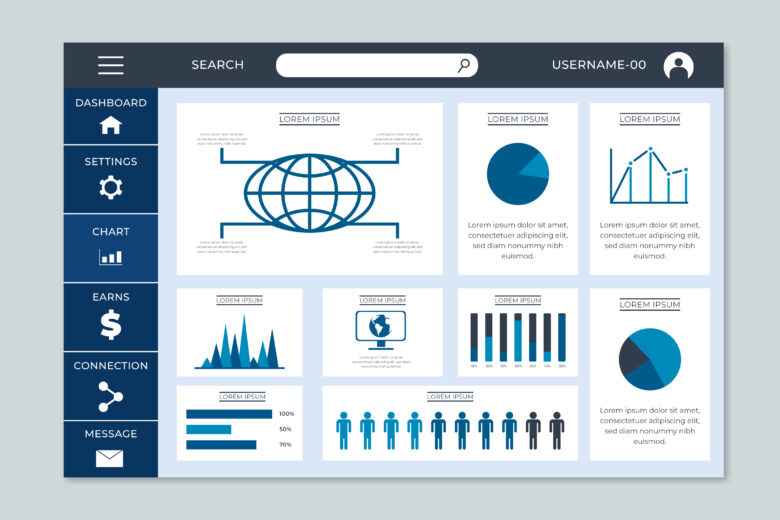
Coverage details are automatically filled into a standard layout, gathered from the policy system and displayed in set areas across the top. Dwelling limits are in one spot, personal property in another, and liability totals in a separate column. Each area includes a deductible and a code that connects to the policy’s underwriting information. A …
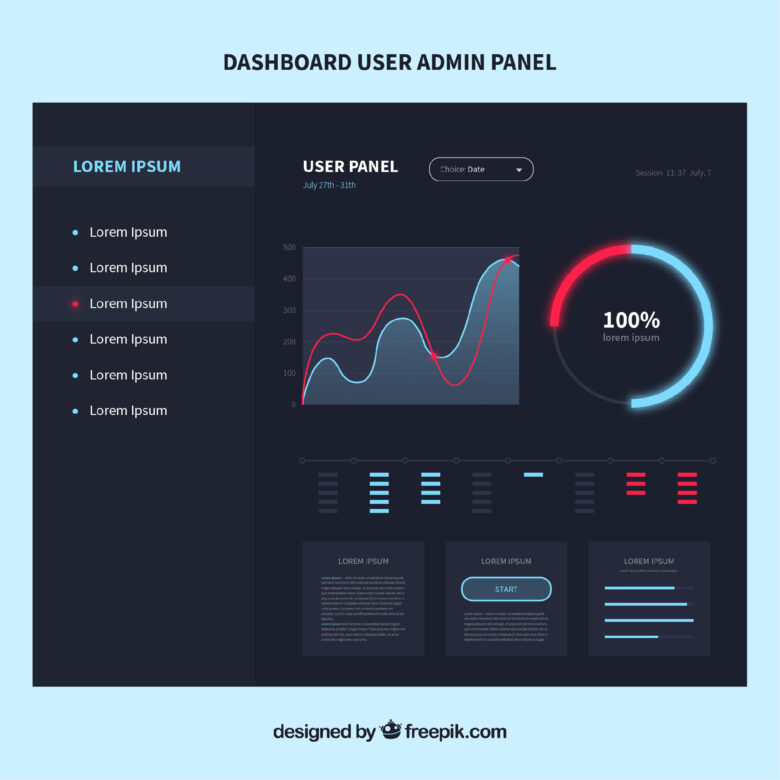
Coverage parameters associated with competitive product categories colonize structured claim records through accompanied transfers from financing databases. Policy figures, renewal ages, countersign canons, and rejection markers align within fixed data fields that define the compass of available benefits. Effective dates remain attached to each content member, constraining editable entries within the claims platform to predefined …
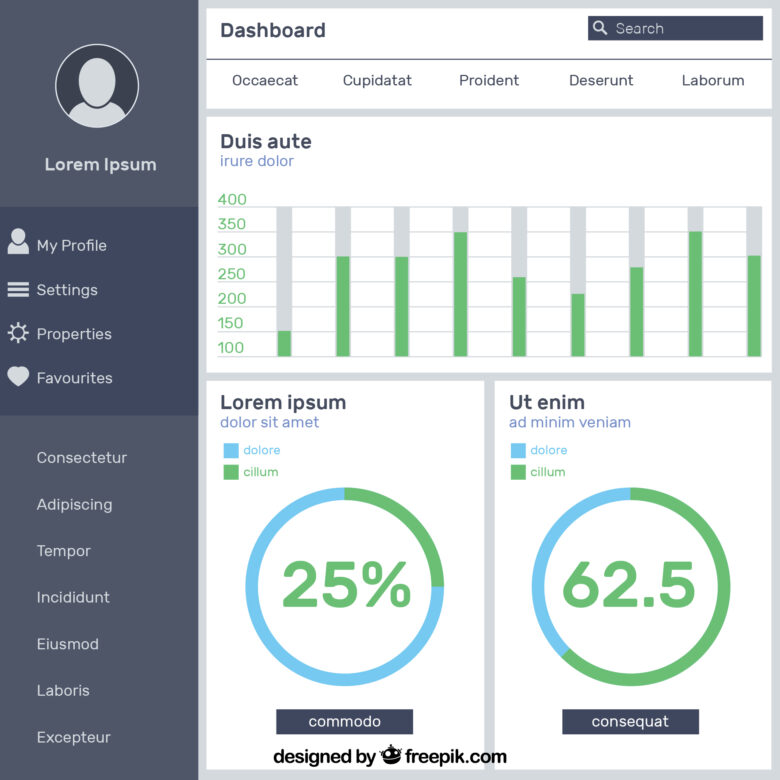
Reserve field displays a provisional figure that exceeds the authority limit attached to the assigned adjuster’s profile. The interface highlights the amount before any liability entry appears in the coverage section. A banner activates across the header, marking supervisory visibility while the file remains in active status. Routing shifts automatically toward an approval queue labeled …
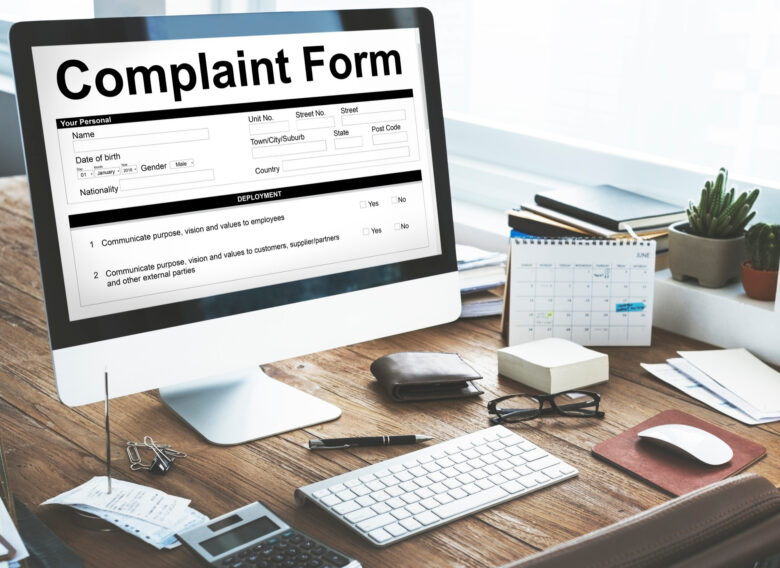
Coverage forms enter the claims terrain as enciphered references rather than full textbook replications. A hyperlink labeled “ policy wording ” connects to a separate archival bystander maintained on a distinct garçon. That bystander retains its own synchronization timestamp, independent from status pointers bedded within the claims platform. Access events induce log entries within both …
Before a claim is handled, routing is determined by jurisdiction codes found in the submission data. State identifiers set up oversight rules that turn on regional compliance tracking, which is kept in separate governance tables. Coverage fields are there, but they don’t do anything until location-based rule sets are loaded into the processing area. The …
Disputed submission registers within the claims platform under an streamlined bracket law reflecting queried agreement status. preliminarily reused loss attestation remains attached to the train, while recently entered legal correspondence enters the document depository under a separate reference identifier. Selection of a disagreement designation from structured status fields reconfigures routing parameters, moving the train from …