
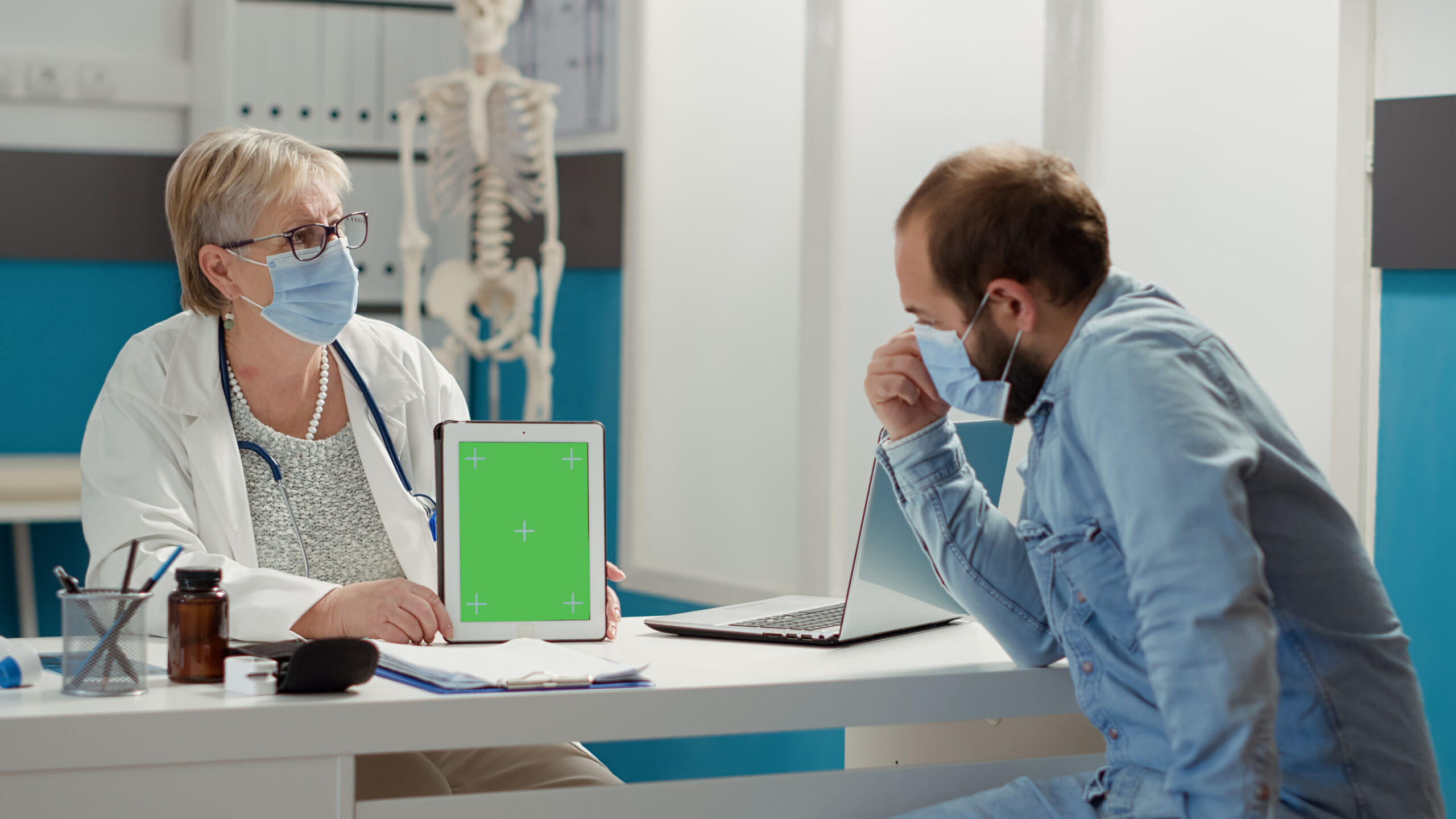
Many people know they are entitled to a free preventive health examination, yet far fewer fully understand what that exam includes or how valuable it can be. Too often, preventive visits are rushed, postponed, or treated as a formality rather than an opportunity. In reality, a free preventive health examination is one of the most effective tools available for protecting long-term health, identifying risks early, and avoiding more serious medical issues down the road.
Understanding how these exams work and how to use them properly can make a meaningful difference in both health outcomes and peace of mind.
What a Free Preventive Health Examination Is Designed to Do
A preventive health examination focuses on maintaining wellness rather than treating illness. Its purpose is to evaluate overall health, identify potential risk factors, and detect early signs of conditions that may not yet cause symptoms. Unlike problem-focused visits, preventive exams are proactive rather than reactive.
These examinations often include a review of medical history, vital signs, and lifestyle factors such as diet, exercise, sleep, and stress. Depending on age, gender, and individual risk, they may also involve screenings for conditions like high blood pressure, diabetes, or cholesterol issues.
Why These Exams Are Often Overlooked
Despite being free, preventive health exams are frequently underused. Many people delay them because they feel healthy and assume there is no urgency. Others are unsure what the visit includes or worry it will lead to unexpected tests or costs.
In some cases, confusion between preventive care and diagnostic care causes hesitation. People may avoid scheduling an exam out of concern that it will turn into a costly appointment. Understanding the purpose and scope of preventive visits helps remove this uncertainty.
The Hidden Value of Early Detection
One of the greatest benefits of a preventive health examination is early detection. Many serious conditions develop slowly and quietly. High blood pressure, elevated blood sugar, and cholesterol imbalances often show no obvious symptoms in the early stages.
Identifying these issues early allows for lifestyle changes or simple interventions that can prevent progression. This approach not only improves health outcomes but also reduces the need for complex treatments later.
How Preventive Exams Support Long-Term Health
Preventive health examinations are not just about tests and measurements. They provide an opportunity to build a relationship with a healthcare provider, ask questions, and receive guidance tailored to individual needs.
Over time, consistent preventive visits help track health trends and changes. This ongoing awareness makes it easier to spot deviations from normal patterns and address concerns before they become serious problems.
Are You Using the Time Effectively?
Many people attend preventive exams without fully engaging in the process. They may answer questions quickly, forget to mention concerns, or avoid discussing lifestyle habits. This limits the value of the visit.
Preparing for a preventive exam by thinking about symptoms, family history, and health goals can significantly improve the experience. Being open and proactive allows the healthcare provider to offer more meaningful guidance.
Understanding What “Free” Really Means
Free preventive health examinations are typically covered under health plans when performed according to recommended guidelines and by appropriate providers. However, additional tests ordered to investigate specific symptoms may not be considered preventive.
Knowing this distinction helps set expectations. Asking questions during the visit about which services are preventive and which may involve costs can prevent confusion later.
Common Missed Opportunities During Preventive Visits
Preventive exams are ideal moments to discuss topics that are often postponed, such as mental well-being, sleep quality, stress levels, and family health history. These factors play a significant role in overall health but may not come up unless the patient initiates the conversation.
Many people also miss the chance to review medications, supplements, or lifestyle changes that could improve daily well-being. Using the exam as a comprehensive health check rather than a routine obligation unlocks its full potential.
Preventive Care at Different Life Stages
The value of preventive health examinations changes throughout life. Younger adults may focus on establishing healthy habits and identifying inherited risks. Middle-aged individuals often benefit from screenings related to cardiovascular health and metabolic conditions. Older adults may use preventive visits to support mobility, cognitive health, and chronic condition management.
Tailoring preventive care to life stage ensures that each exam remains relevant and effective.
The Role of Preventive Exams in Reducing Healthcare Costs
From a financial perspective, preventive health examinations help reduce long-term healthcare expenses. Early detection and intervention often prevent costly hospitalizations, emergency care, and advanced treatments.
For individuals, this means fewer medical surprises and more predictable healthcare experiences. Preventive care supports both health and financial stability.
Making Preventive Care a Habit, Not an Afterthought
The real benefit of free preventive health examinations comes from consistency. Scheduling regular visits and treating them as an essential part of personal health maintenance leads to better outcomes over time.
When preventive care becomes a habit, individuals are more likely to stay informed, engaged, and proactive about their health.
Final Thoughts
A free preventive health examination is far more than a box to check on a to-do list. It is an opportunity to understand your health, identify risks early, and build a foundation for long-term well-being. Taking full advantage of these visits requires preparation, engagement, and a clear understanding of their purpose.
People who approach preventive exams with curiosity and intention are far more likely to catch potential issues early and maintain better health over time. When used properly, a free preventive health examination becomes one of the most valuable benefits available—not just for today, but for the years ahead.