
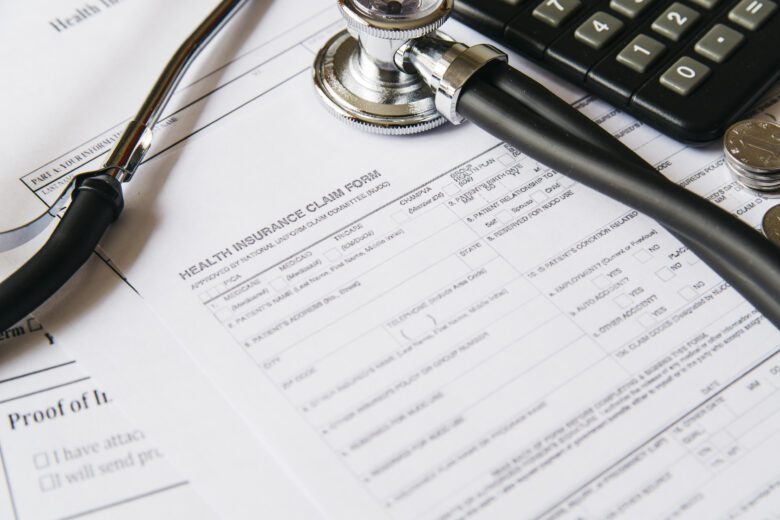
Health insurance is one of the most significant ongoing expenses for individuals, freelancers, and business owners. What many people overlook is that, under the right conditions, health insurance premiums can reduce taxable income and lower overall tax liability. Understanding how health insurance premium deductions work, who qualifies, and how to apply them correctly can make a noticeable difference at tax time. This guide explains the rules in a clear, practical way so you can take advantage of deductions without risking mistakes.
Why Health Insurance Premium Deductions Matter
Health insurance premiums are not just a cost of staying protected; in many cases, they are also a legitimate tax deduction. For self-employed individuals and certain business owners, these deductions can directly reduce adjusted gross income, not just taxable income. That distinction matters because it can also affect eligibility for other deductions and credits.
For employees, the rules are more limited, but deductions may still apply depending on how premiums are paid and whether they exceed certain thresholds. Knowing where you fall makes it easier to plan and avoid leaving money on the table.
Who Can Deduct Health Insurance Premiums
Eligibility depends largely on employment status. Self-employed individuals, including sole proprietors, freelancers, and partners, often have the most flexibility. If you pay for your own health insurance and are not eligible for an employer-sponsored plan, you may be able to deduct premiums for yourself, your spouse, and dependents.
Business owners who operate through certain entities may also qualify, although the rules vary depending on structure. Employees, on the other hand, generally cannot deduct premiums paid with pre-tax dollars, since those amounts were never taxed in the first place.
Understanding your classification is the first step toward determining whether a deduction is available.
Self-Employed Health Insurance Deduction Explained
The self-employed health insurance deduction allows eligible individuals to deduct qualifying premiums directly from income. This deduction applies whether you itemize or take the standard deduction, which makes it especially valuable.
To qualify, the insurance plan must be established under your business, and you cannot be eligible for subsidized employer coverage during the same period. The deduction is limited to the amount of earned income from the business, meaning it cannot exceed what the business actually made.
This deduction covers more than just standard health insurance. Premiums for dental and vision insurance may also qualify if they are part of a health plan.
Health Insurance Deductions for Employees
Employees face more restrictions. If premiums are paid through an employer-sponsored plan using pre-tax payroll deductions, they are already excluded from taxable income and cannot be deducted again.
If premiums are paid with after-tax dollars, they may qualify as a medical expense deduction. However, medical expenses are only deductible if they exceed a certain percentage of adjusted gross income. Because of this threshold, many employees do not benefit unless they have unusually high medical costs in a given year.
Even when deductions are available, proper documentation is essential to support the claim.
Premiums That Commonly Qualify
Not all insurance payments qualify as deductible health insurance premiums. Generally, premiums paid for medical, dental, and vision coverage may qualify if they meet IRS definitions of health insurance. Long-term care insurance may also be partially deductible, subject to age-based limits.
Premiums for coverage obtained through private insurers or health marketplaces are commonly eligible if paid with personal or business funds and not reimbursed. Understanding which premiums count helps prevent incorrect claims that could trigger issues later.
Premiums That Do Not Qualify
Certain types of insurance are not deductible as health insurance. Life insurance premiums, disability insurance, and income protection policies do not qualify, even though they are often grouped with health-related coverage.
Premiums paid using tax-advantaged funds, such as health savings accounts or flexible spending accounts, are also not deductible because they are already paid with pre-tax dollars. Double-dipping is not allowed, and attempting to deduct these amounts can cause problems during a review.
How Business Structure Affects Deductions
The way a business is structured plays a major role in how health insurance premiums are deducted. Sole proprietors typically claim the deduction directly. Partners and certain shareholders may deduct premiums, but often need to report them as income first before deducting them.
Corporations that provide health insurance to employees may deduct premium costs as a business expense. Owner-employees may also benefit, but special rules apply depending on ownership percentage and plan setup. Because of these complexities, understanding how your business is classified is critical.
Common Mistakes That Reduce or Eliminate Deductions
One of the most common mistakes is deducting premiums when the taxpayer was eligible for employer-sponsored coverage, even if they chose not to enroll. Eligibility alone can disqualify the deduction.
Another frequent error is failing to separate personal and business payments. Mixing accounts or lacking clear records can make it difficult to support a deduction if questioned. Claiming non-qualifying premiums or double-counting expenses also leads to issues.
Careful recordkeeping and clear understanding of eligibility rules prevent most problems.
Planning Ahead to Maximize Deductions
Maximizing health insurance premium deductions often requires planning before the end of the year. Choosing how premiums are paid, understanding employer plan eligibility, and aligning coverage with business income can all affect deductibility.
For self-employed individuals, timing income and expenses carefully can help ensure the deduction is fully usable. Reviewing coverage options annually allows adjustments that better align with tax goals.
Documentation and Recordkeeping
Proper documentation is essential. Keep records of premium payments, insurance policies, and proof of payment. If premiums are deducted through a business, maintaining clear separation between personal and business expenses strengthens your position.
Accurate records not only support deductions but also make tax preparation smoother and reduce stress during filing season.
When Professional Guidance Makes Sense
Health insurance deductions can be straightforward in simple situations, but they become more complex as income sources, family coverage, or business structures change. Consulting a qualified tax professional can help ensure deductions are applied correctly and in compliance with current rules.
Professional guidance is especially valuable when transitioning between employment types or restructuring a business.
Final Thoughts
Health insurance premiums represent a major expense, but they can also provide meaningful tax benefits when handled correctly. Understanding who qualifies, which premiums are deductible, and how deductions interact with income and business structure allows taxpayers to make informed decisions.
Individuals and business owners who review their eligibility regularly and keep clear records are far more likely to maximize deductions without risking errors. With the right approach, health insurance premium deductions become a practical tool for reducing tax burden while maintaining essential coverage.