
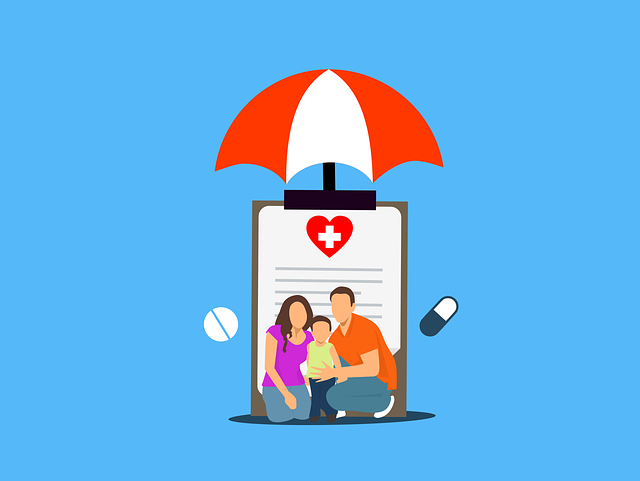
Expectations around short-term health insurance are frequently misaligned, swinging between skepticism and overconfidence. In reality, short-term plans are designed for a specific purpose: providing temporary protection during periods of transition. When used correctly and with clear expectations, they offer several important advantages that make them a practical option for many individuals.
Understanding these advantages helps clarify when short-term health insurance makes sense and how it can serve as a useful safety net rather than a permanent solution.
A Practical Solution During Life Transitions
One of the biggest advantages of short-term health insurance is flexibility. Life does not always align neatly with enrollment periods or benefit start dates. Job changes, self-employment, relocation, or waiting for employer-sponsored coverage can all create gaps in insurance.
Short-term plans are designed to step in during these gaps. They allow individuals to maintain some level of protection without committing to long-term contracts or complex enrollment processes. This makes them especially useful during uncertain or temporary situations.
Faster Access to Coverage
Unlike many traditional health insurance plans, short-term coverage can often begin quickly. In many cases, coverage starts within days of approval. This speed is a major advantage for people who suddenly find themselves uninsured and want protection as soon as possible.
Quick access reduces the stress associated with being uninsured and provides immediate financial protection against unexpected medical events.
Lower Monthly Premiums
Short-term health insurance plans typically have lower monthly premiums than comprehensive health insurance. This affordability is one of their most appealing features, particularly for individuals managing tight budgets or temporary financial uncertainty.
Lower premiums make it easier to maintain some level of coverage rather than going without insurance entirely. While lower cost comes with trade-offs, the reduced monthly expense can be a meaningful advantage when full coverage is not feasible.
Protection Against Major Medical Expenses
Although short-term plans are limited, they still provide important protection against serious and unexpected medical events. Accidents, sudden illnesses, and emergency hospital care are often covered, helping prevent catastrophic medical bills.
For many people, this protection is the primary goal. Short-term insurance is not about covering every healthcare need, but about reducing financial risk during temporary coverage gaps.
Simple and Straightforward Plan Design
Another advantage of short-term health insurance is simplicity. These plans often have fewer layers of benefits, rules, and requirements compared to traditional policies. This makes them easier to understand and manage.
Clear coverage limits, defined benefits, and straightforward cost structures help individuals know what to expect. For those who prefer simplicity over comprehensive coverage, this can be a welcome feature.
Flexibility Without Long-Term Commitment
Short-term health insurance does not lock individuals into multi-year commitments. Coverage is temporary by design, which allows policyholders to transition to other options when circumstances change.
This flexibility is especially valuable for people who expect to gain access to employer coverage, qualify for other plans, or move to a different insurance solution in the near future. Short-term insurance fills the gap without creating long-term obligations.
An Option Outside Traditional Enrollment Periods
Traditional health insurance plans often limit enrollment to specific windows. Short-term plans are not tied to these schedules, making them available when other options are temporarily inaccessible.
This availability provides peace of mind for individuals who miss enrollment deadlines or experience life changes outside standard enrollment periods.
Useful for Individuals With Limited Immediate Healthcare Needs
Short-term health insurance works best for people who are generally healthy and primarily concerned about unexpected emergencies. For individuals who do not require frequent medical visits, ongoing treatment, or regular prescriptions, these plans can be a reasonable temporary choice.
In such cases, short-term insurance balances affordability with essential protection.
Understanding the Trade-Offs
The advantages of short-term health insurance are closely tied to its limitations. These plans often exclude preventive care, pre-existing conditions, and certain services. Recognizing these trade-offs is essential to using short-term coverage effectively.
The value of short-term insurance lies in knowing exactly what it is meant to do and not expecting it to replace comprehensive coverage.
How Short-Term Insurance Fits Into a Broader Strategy
Short-term health insurance works best as part of a broader healthcare strategy. It can bridge gaps, reduce risk, and provide stability during periods of change. When paired with long-term planning, it supports continuity rather than creating dependency.
People who use short-term plans thoughtfully often transition smoothly to more comprehensive coverage when the time is right.
Final Thoughts
Short-term health insurance plans offer clear advantages when used for their intended purpose. Fast access to coverage, lower premiums, flexibility, and protection against major medical expenses make them a valuable option during transitional periods.
While they are not designed to meet every healthcare need, short-term plans can provide meaningful peace of mind when full coverage is temporarily unavailable. Understanding their strengths and limitations allows individuals to make informed decisions and use short-term health insurance as a practical tool rather than a risky shortcut.